
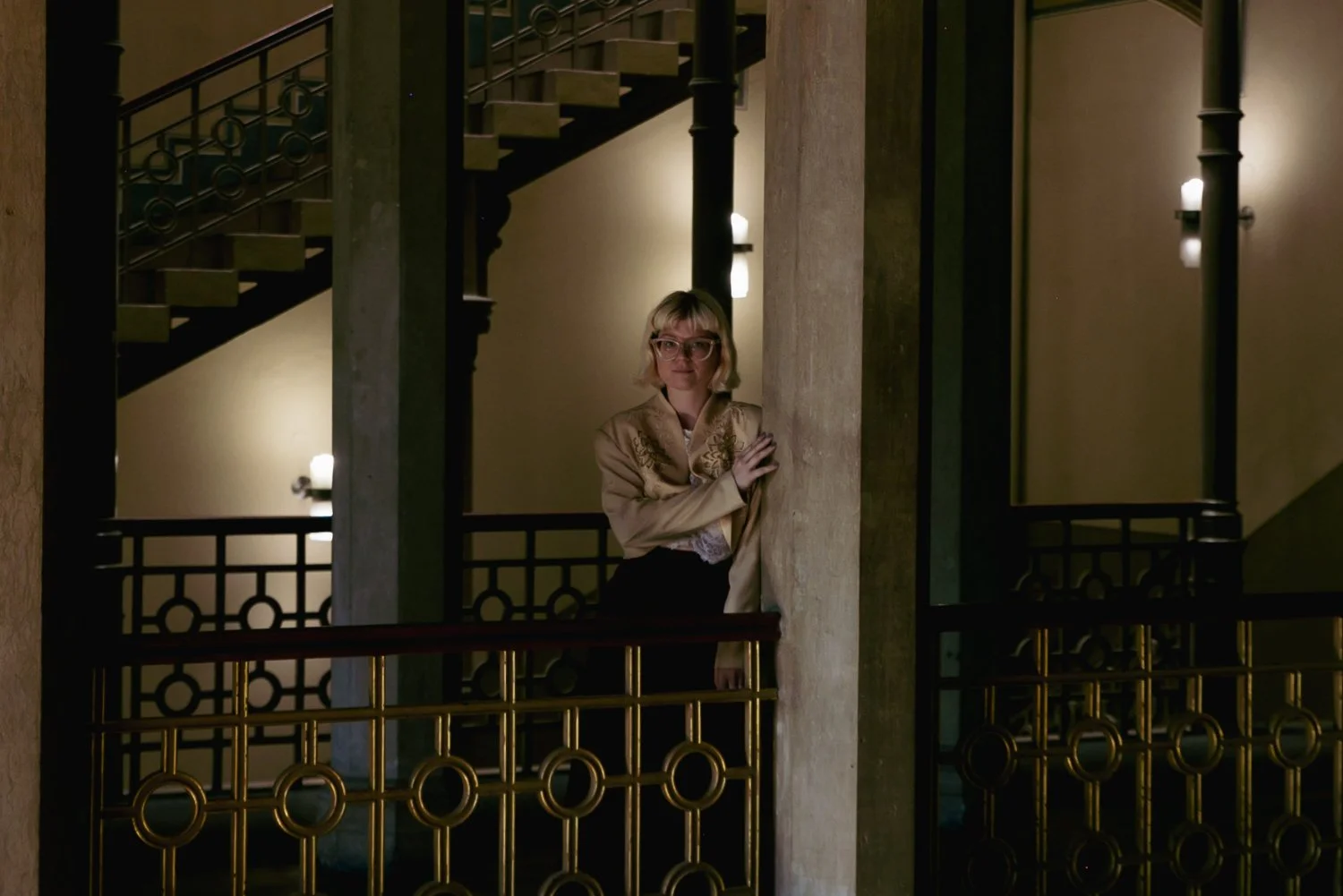
Berlin-based musician Mary Ocher tells us about the turbulent journey that led to the creation of her eighth studio album
By her own admission, Mary Ocher has been an anarchist since the age of 15, and it's no wonder when you hear her story. Like any artist worth their salt, Ocher lays it all on the page- her visceral distrust of nationalism and a family history of perpetual marginalisation, but also her love of the avant-garde and a drive to go against the grain.
Born in Moscow in 1986 to Jewish Ukrainian parents, Ocher's childhood was one filled with "art, fantasy, play, costumes and music", but she was never encouraged to pursue a creative career. "I had to go against everyone's advice," she says. "I dropped out of school and refused to listen to anyone. Boy, did they try to convince me to give up and get a formal education. [My parents] finally accepted that I was able to do this [make music] for a living when I performed at the Tel Aviv Museum of Art in 2017 and there was a big article about it in Haaretz newspaper." When Ocher was four years old they emigrated to Israel, settling in Tel Aviv. So why did they leave Russia?
Back in the USSR, Ocher's father Alix (named after a Nazi soldier who helped his father escape execution during the Holocaust) had worked at Moscow's Obraztsov Puppet Theatre and voiced the dog Philya in Russia's long-running children's TV show, Good Night Little Ones. Her mother, Elena, was a trained geodetic engineer.
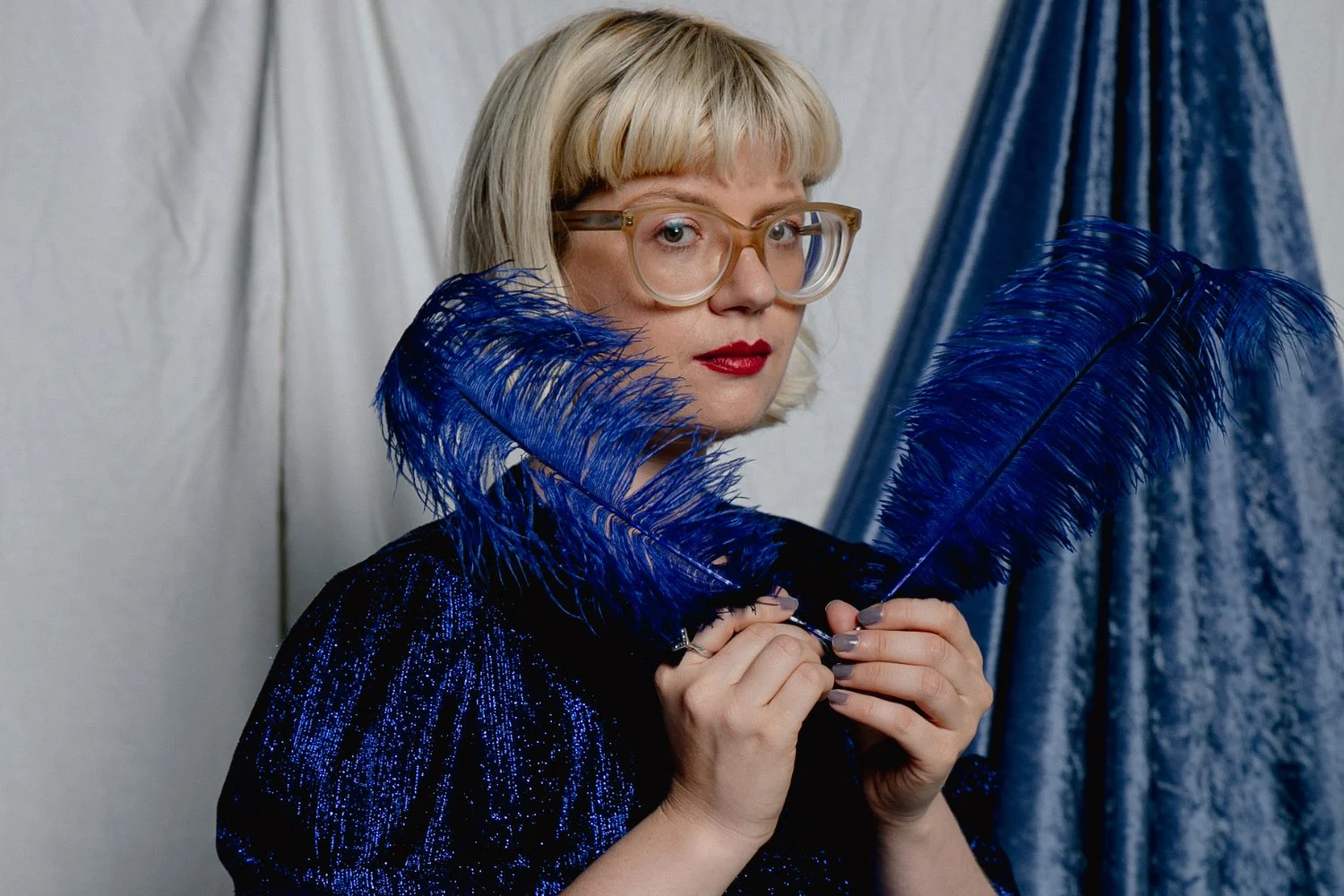
"It was early 1991," Ocher explains, "the USSR was in the process of collapsing and, for the first time in decades, people were allowed to leave. It's hard for someone who didn't live with these stories to imagine living in a country that you are simply not allowed to leave. Where your government does everything in its power to block information about the outside world, so that you only hear rumours about food you never get to eat, technology you can never experience, and music that sometimes gets smuggled in and bootlegged a dozen times, even though you could be arrested for bootlegging if caught.
"During Stalin's time (when my grandmother was young) people were disappearing from their homes overnight, never to be seen again. By the 1980s people could finally openly admit what they'd [once had to say] in the privacy of their kitchens - that the regime was corrupt. By the 90s, it was finally changing, but nobody knew what was going to come next." Spying a chance to get out, Ocher's parents grasped it while they could. They were encouraged by an aunt who'd lived in Israel since 1978 (who promised "sun and unlimited bananas") as well as a representative of the Jewish Agency, who insisted there was only a narrow window of time in which to leave.
Except it was the height of the Gulf War and when the family arrived in Tel Aviv in February 1991, they were met with 2am wake-ups, forcing them to don gas masks and shuffle into an air raid shelter. "What a warm welcome!" Ocher jokes, before revealing that for the rest of her time in Israel, on a subconscious level, she was constantly on the alert for air raid sirens.
Life in Israel for immigrants like Ocher's family wasn't easy. "In the USSR, they were exposed to heaps of discrimination because they were Jewish," Ocher says of her parents' experiences. "And before that [my ancestors were persecuted] in Ukraine during the pogroms. But in Israel we saw a new discrimination based on being 'dirty Russians' and 'foreigners'."
At kindergarten, Ocher's teacher "singled out foreign kids like myself", excluding them from story time, and other kids made fun of them.
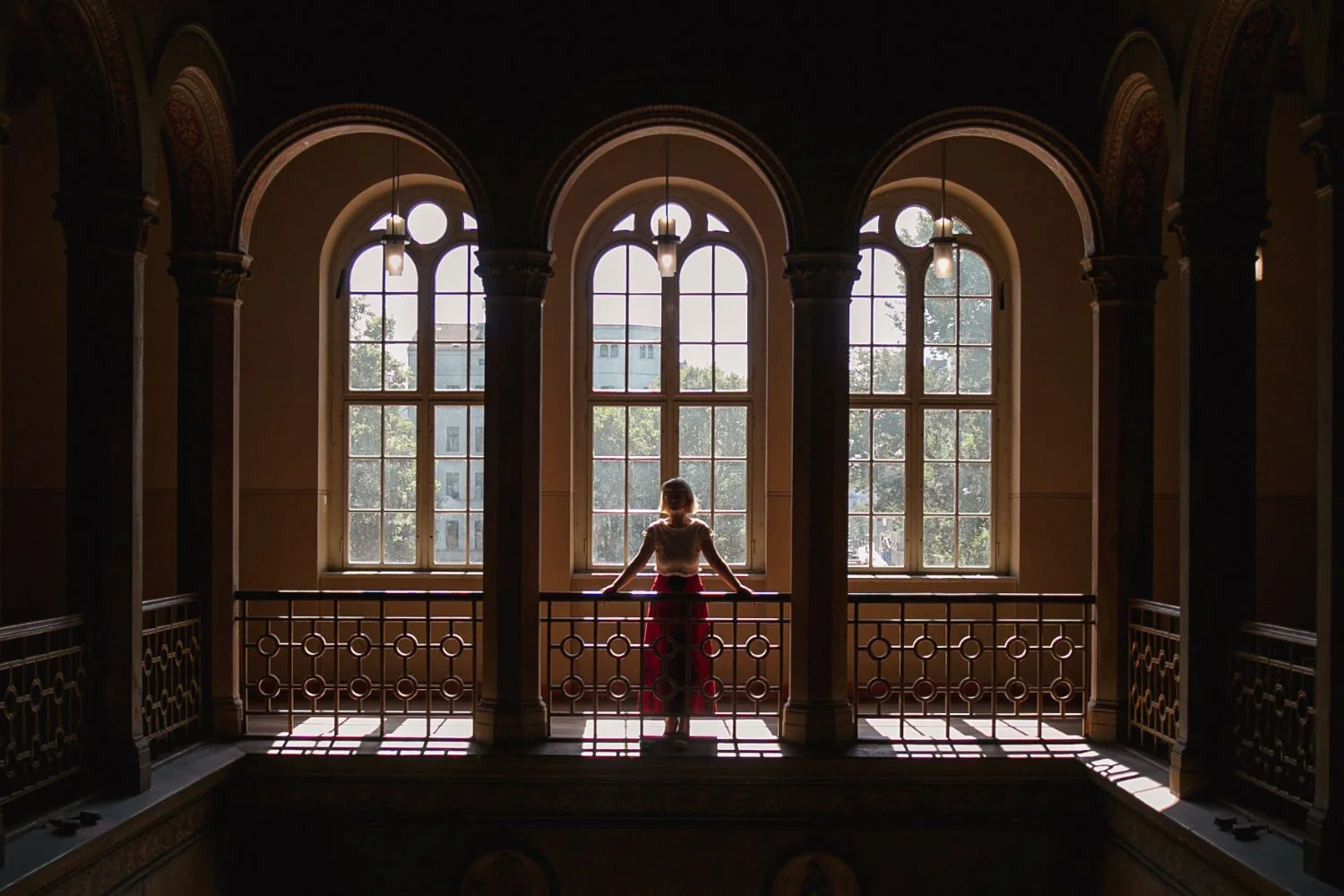
Despite their prestigious positions in the USSR, her parents now had to take on lots of odd jobs, including Elena working as a cashier in a supermarket and Alix driving a forklift at the local Coca Cola factory. Her father died in 2021, shortly after he had retired. "When I was a bit older," she remembers, "neighbours once threw a bucket of soapy water on my mum and I. The cops told them 'never do that again' and that was it. I was too small to remember a life before the move, but my entire childhood was fraught with a sense of injustice. In a country where everyone is expected to join the army and fight, violence and tension is everywhere."
As soon as she was able, aged 20, Ocher left for the German capital with some friends she'd formed a band with. "Berlin then was full of misfits, left-wing activists and underground art, and everything was affordable. Perfect for someone with no money and enormous aspirations."
It wasn't long before her bandmates went back to Israel, but Ocher stayed and continued creating music solo. In 2011, she released her debut album War Songs, which features almost operatic, Kate Bush-esque falsetto with punkleaning riffs. As the title indicates, Ocher has been concerned with social and political issues since the beginning. Her 2023 EP Power and Exclusion from Power features an accompanying essay about inequality in Russia following its invasion of Ukraine. Musically, however, she's explored many avenues. Over the years her songs have featured everything from funk-leaning riffs to Middle Eastern influences to German techno, accompanied variously by soaring vibrato and pitch-shifted Laurie Anderson-style spoken word, and even, on occasion, a pair of drummers known as Your Government.
While she still lives in Berlin, the climate is different today than when she first arrived in Germany. "Nationwide we are witnessing a crackdown on freedom of expression, in particular in connection to criticism of the Israeli government and support for Palestinians. It's a very tense time."
Reports from various official watchdogs in Germany have also recorded a rise in antisemitism since 7 October, including a knife attack at Berlin's Jewish Memorial in February 2025 that left a Spanish tourist severely injured. However, Ocher says that such reports do not mirror her own experience. "Antisemitism surely exists, but I experienced none of it in 20 years of living here."
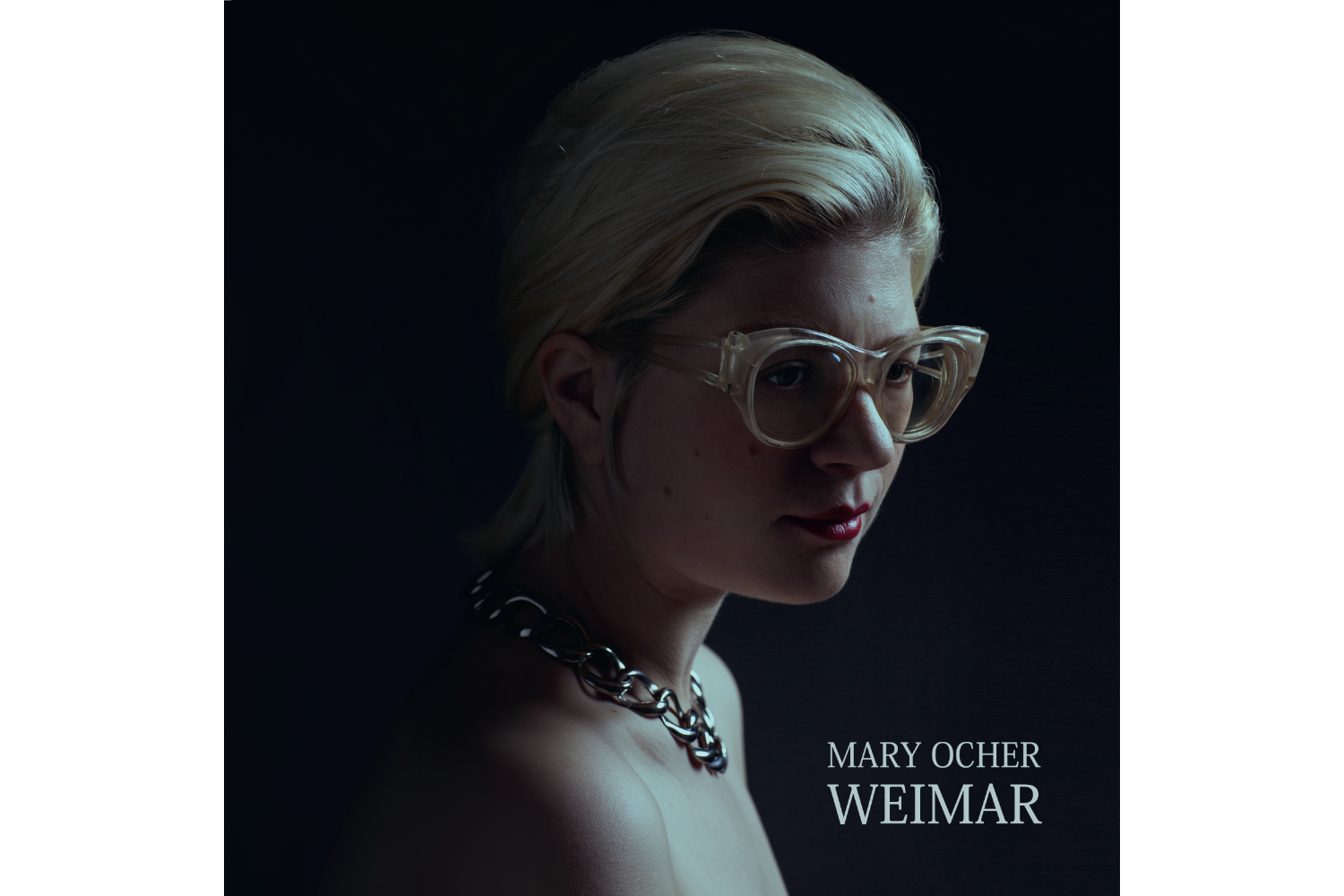
Her latest album, Weimar, which was released earlier this year, brings together cabaret stylings, hypnotic piano reminiscent of the classicists and Baroque elements that give a nod to US art-rockers Sparks. She mostly favours a baritone drawl, paired with much sparser instrumentation. Sometimes nothing but instrumentation, in fact, as with The Narrative', a three-part piano movement that creates daunting, melancholy soundscapes.
Apart from 'On the Streets of Hard Labour', which carries an almost jaunty nature, the tone and theme are sombre. She sings of Soviet lies and 'the bitter end'. "Is this the end of a second Weimar?" she asks in the adjoining five-page essay (long-form writing accompanies four of her previous albums, with citations and all). "There's just so much more that I'd like to communicate than the length of a song permits," she explains.
With Weimar, her message is clear. She describes a Berlin fallen victim to "consumerism, political atrophy and cynicism" and laments the loss of the culturally enriched era of Bauhaus, Expressionism and cabaret.
"When I moved to Berlin," she says, "it seemed like a revival of the Weimar Republic in many ways. But we all know what came after [that period of history]. [The album] is a warning: to remember history, to not let fascism take over again."
By Danielle Goldstein
Photos by Kasia Sekula
Weimar by Mary Ocher is out now. maryocher.com
This article appears in the Summer 2026 issue of JR.