
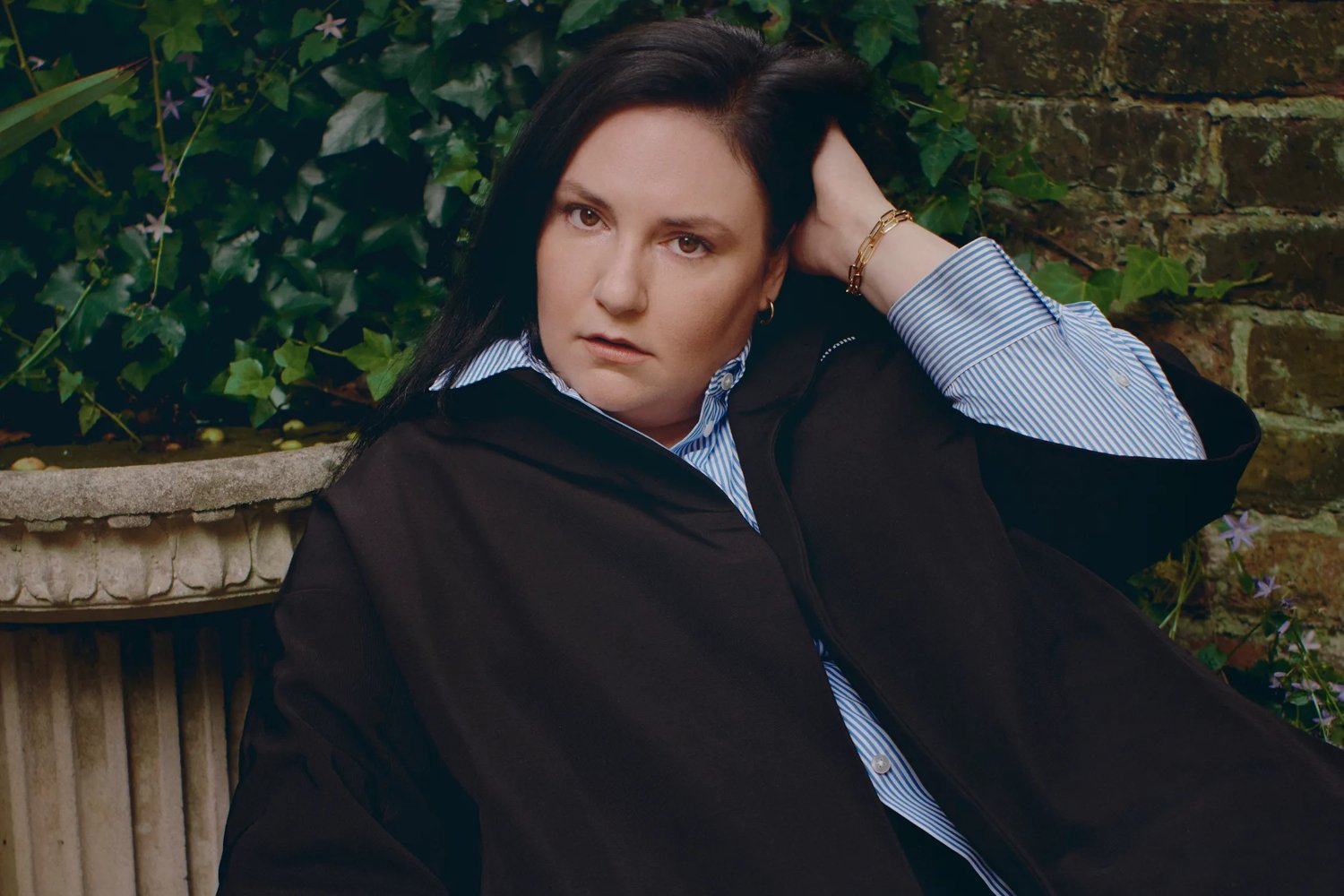
Having already bared most of her life (and then some) on screen, what more could Lena Dunham have to reveal? We unpick the New Yorker's second memoir, Famesick
"My name is Lena Dunham," reads the opening line of Famesick, should there be any confusion. A "strong" name, as Lena's mother puts it. A name that belonged to her late great-grandmother, allowing it to pass down in keeping with Ashkenazi tradition. Her mother Laurie (a "diminutive" name in her mother's own words) was only allowed to share the first letter with her grandmother. Laurie Dunham (neé Simmons) was determined that her daughter have a name that sounded like "someone who could be a movie star or a lawyer". How prescient then that Lena should become a renowned writer, actor, director and voice of a generation.
Having turned 40 this year, the bornand-raised New Yorker has accomplished freight-loads since the release of her 2010 debut film, the semi-autobiographical Tiny Furniture. She created and starred in Girls - the hit HBO series about four 20-somethings flailing in their newly acquired adulthood in 2010s New York - and has written, directed and produced two more films (Catherine Called Birdy and Sharp Stick, shortly to be followed by a third, Good Sex).
Last year saw her return to TV with Too Much, about a neurotic American who moves to London and meets a musician (co-created with Lena's muso husband Luis Felber and loosely based on their own relationship). Her acting credits include Quentin Tarantino's 2019 dark comedy Once Upon a Time in Hollywood and Julia von Heinz's 2024 father-daughter road trip drama about transgenerational trauma, Treasure. Plus, she's the co-host of The C-Word podcast, about women throughout history that society has deemed crazy. And we haven't even mentioned her BAFTA, Golden Globe or the fact that she was the first woman to win the Directors Guild of America Award for Outstanding Directing in Comedy Series.
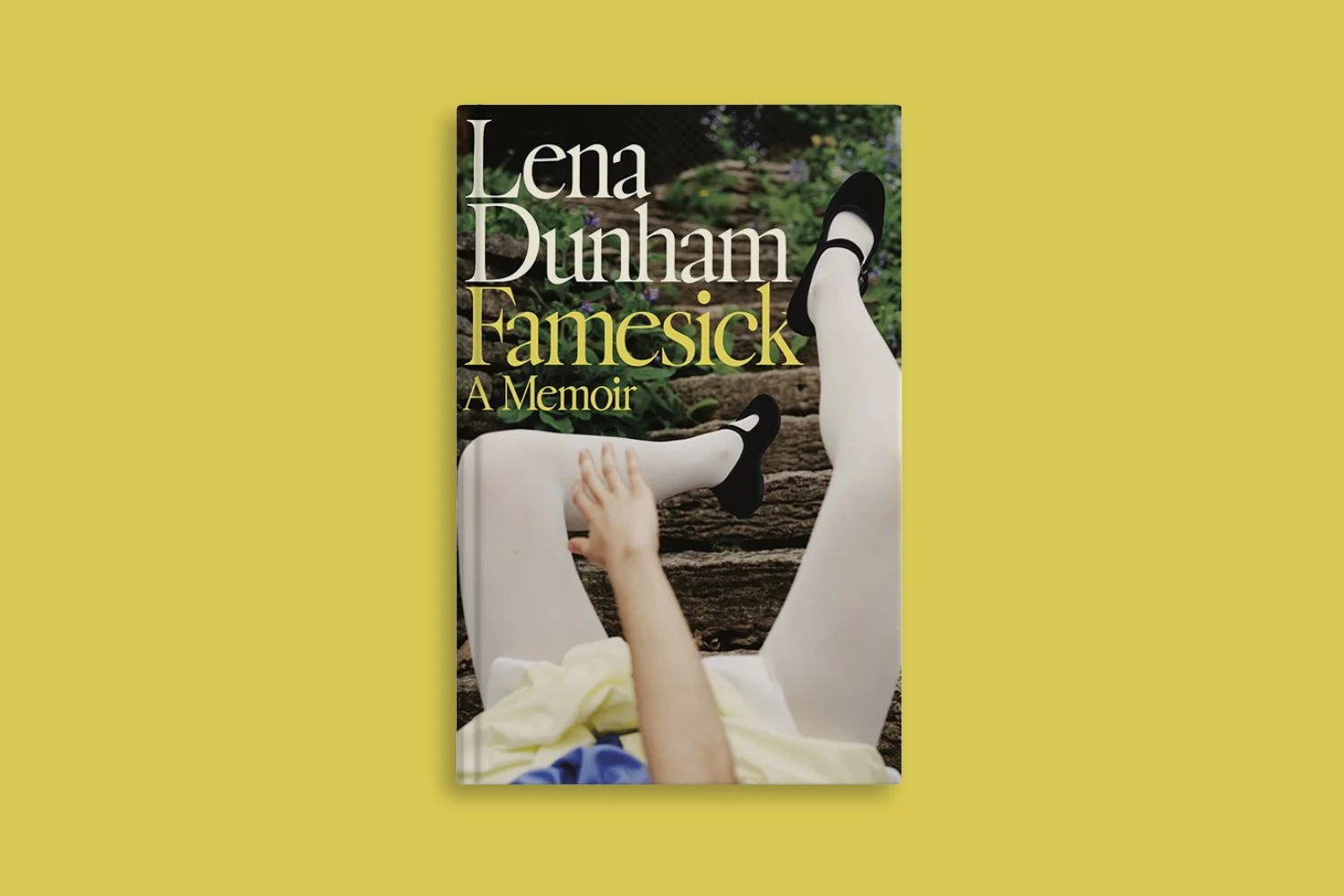
On the surface, Lena's life appears to be sunshine and roses. What talent, what success! But what we didn't know is that, like a swan paddling furiously beneath the surface of the water, she's barely remained afloat. Her book starts out bubbly, innocent and full of hope. She recounts anecdotes about her first foray into filmmaking and buying her first apartment: "Making my great-great-grandma Regina proud, the 14-year-old Polish girl who arrived alone at Ellis Island in 1901 with just a fur hat and a dream." But, as quickly as her star rose, her body declined. Stories of missing weeks of filming due to illness or being forced to work despite it start to infiltrate. We learn of her mistreatment by men, friends, family, doctors and the industry, which happens so frequently, it's hard not to feel a little sceptical. Famesick is a trifle of anguish, with layer upon layer of pain and self-pity. This incredulity, she explains, is the lens through which the press and the wider world perceived her. She understands why, she admits, but now she's unearthing the receipts to prove her pain.
From the "hives episode" she experienced as a baby, which turned out to be mast cell activation syndrome, Lena reveals every ailment, even the ones that nobody but her parents knew about. Her acute OCD, multiple eating disorders, a failing immune system, endometriosis, deformed uterus, incessant bleeding, a rare genetic disorder (Ehlers-Danlos syndrome type III), insomnia and heightened anxiety - all of which were tied up in a neat bow of addiction to prescription meds.
If you've paid even the slightest bit of attention to her onscreen writing, much of this will already feel familiar. The realism of Tiny Furniture set the tone for Lena's career, in which art often imitates life. For instance, the scene in Girls (which if you're human will have seared permanently into your memory) when OCD-sufferer Hannah bursts her eardrum with a cotton bud. "I felt a pop, a trickle [of blood] and then an explosion of pain," she writes of the real-life incident. Or in Too Much, when Jessica sets herself on fire with a candle, which in reality left Lena needing skin grafts across her right shoulder and breast, with "half the nipple magically erased as if by an intern's Photoshop tool". Even the troubling sex scenes she depicts are true to life, noting: "Nothing I wrote was quite as dark as the reality."
Lena's follow-up memoir is a stark contrast from her first in 2014, which was essentially a collection of old diary extracts, lists and petulant emails, scattered with cutesy illustrations. This time, her penmanship takes centre stage - the skill at which she most excels. It's one thing to make a work of fiction thrilling, when every happenstance can be invented and embellished, but to turn the everyday into an easily digestible and highly engaging read is quite another. Her description of Adam Driver's visceral audition for Girls alone is worth the trees the book is cut from ("All ears and nose, gangly and pigeon-toed lurching towards the audition chair like a reanimated corpse in a silent film").
Famesick may offer a look into the glamorous world of showbiz, but it also presents its painful and traumatic sides, both physical and emotional. Lena offers no happily ever after, but rather a contentment in accepting the straw, be it long or short, that each ena decade of her life has to Dunham offer. It is intensely personal, darkly humorous and impossible to put down.
By Danielle Goldstein
Photo by Charlotte Hadden
Famesick by Lena Dunham is out now (4th Estate, 2026, £18.99). 4thestate.co.uk
This article appears in the Summer 2026 issue of JR.