
A clever and moving application of the Minotaur myth to the lives of 20th-century Jews in Crete during World War II and beyond
From my school days, I have always been fascinated by the history and mythology of Crete. As the largest island in the Mediterranean Sea, its Minoan civilisation enjoyed a heyday long before the Christian era. From 1900 BC to 1450 BC it saw a Bronze Age of spectacular palaces, some with surviving frescos showing the extraordinary acrobatics of ‘bull leaping’, when lithe youngsters grasped the horns of live bulls to perform nail-biting feats. Above all, I enjoyed the legend of the Minotaur, a monster with a bull’s head atop a man’s body, living in a great maze, where human sacrifices were sent to their deaths as the Minotaur's dinner.
What I did not know, is about Crete's history during World War II, when it was occupied by the Germans from 1941 to 1950, despite fierce resistance from the local population and Allied forces. The island was home to a Jewish community of around 500, who were dubbed Romaniote Jews, the oldest European Jewish community with a continuous history who spoke Yevanic, a Judeo-Greek dialect written in Hebrew script. They worshipped in at least one synagogue, the still active Etz Hayyim in Chania, and a list of members in 1941 is in the city’s Historical Archive of Crete.
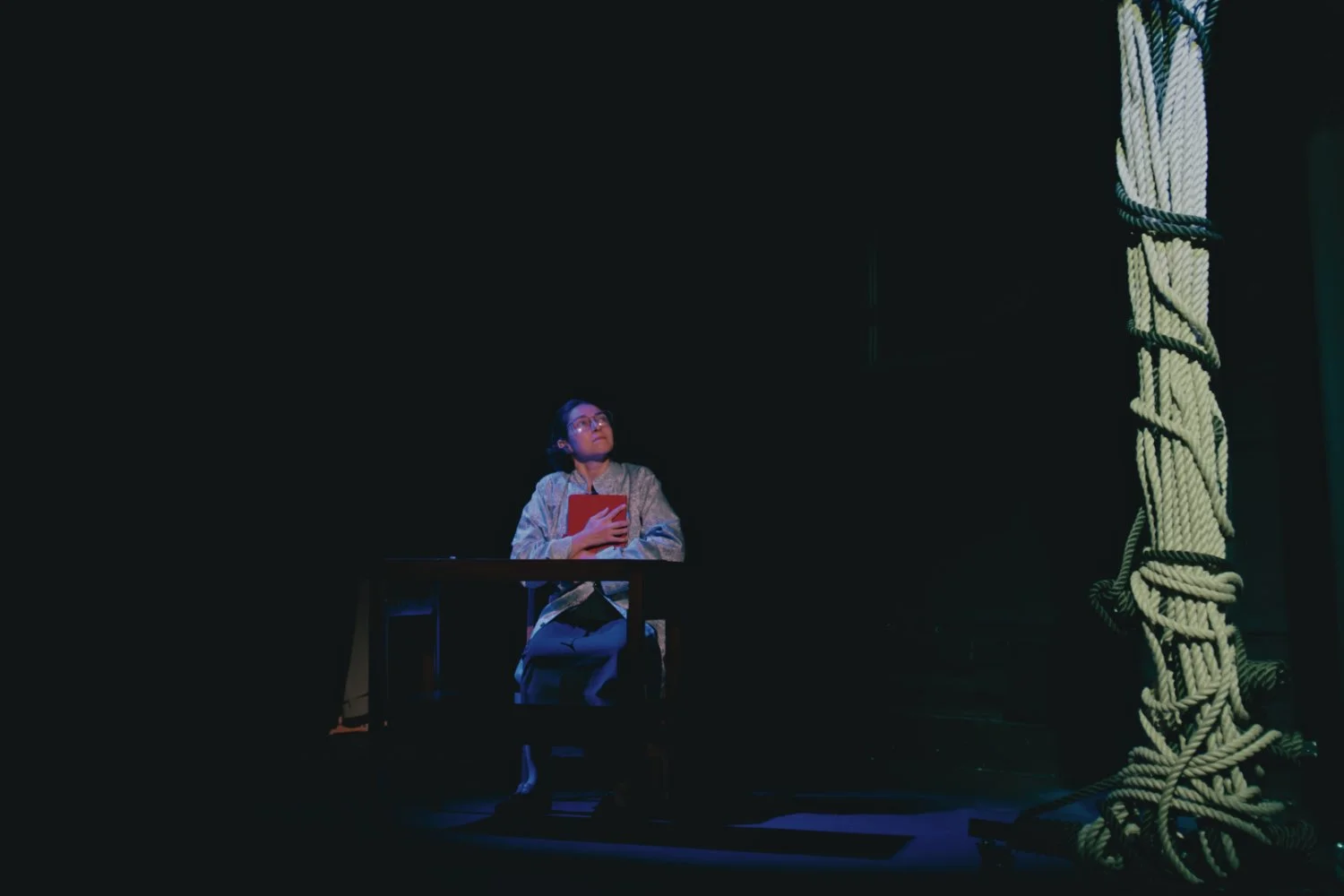
Playwright Jonathan D’Young has brought this community to vivid life, showing a carefree existence before the Nazis’ arrival and how they managed to defy the invaders and keep hope and defiance alive. One of D’Young’s key triumphs is in shifting seemingly effortlessly in time to show the more carefree past of the Jewish community.
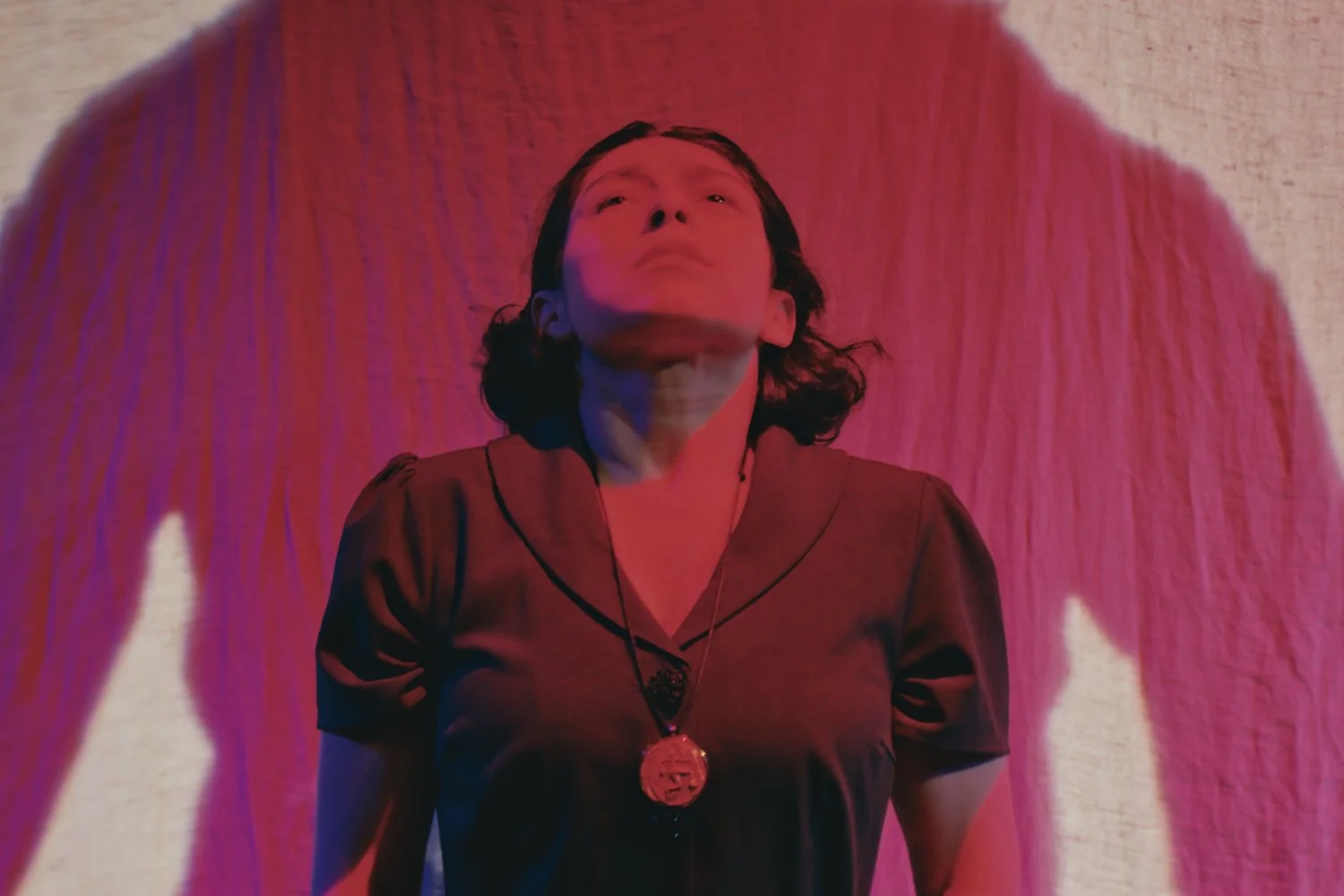
At the story’s centre is a young woman, Rena, played by Genevieve Dunne, who lights up the stage from the getgo despite having to face the challenges of Jewish life on the island. The set, designed jointly by members of the company, is deceptively simple, consisting of a screen that runs right across the stage, allowing subtle scene changes. The action begins with Rena hiding in the hollow of a tree as her family is taken by the Nazis. Then the shadow play of a semi-human figure with a bull’s head and horns adorned with golden balls looms over her. As in the myth, the Minotaur represents the threat to anyone defying King Minos, ancient Crete’s all-powerful ruler, in the play it embodies the threat of teh Nazis to the island’s Jewish population during World War II.
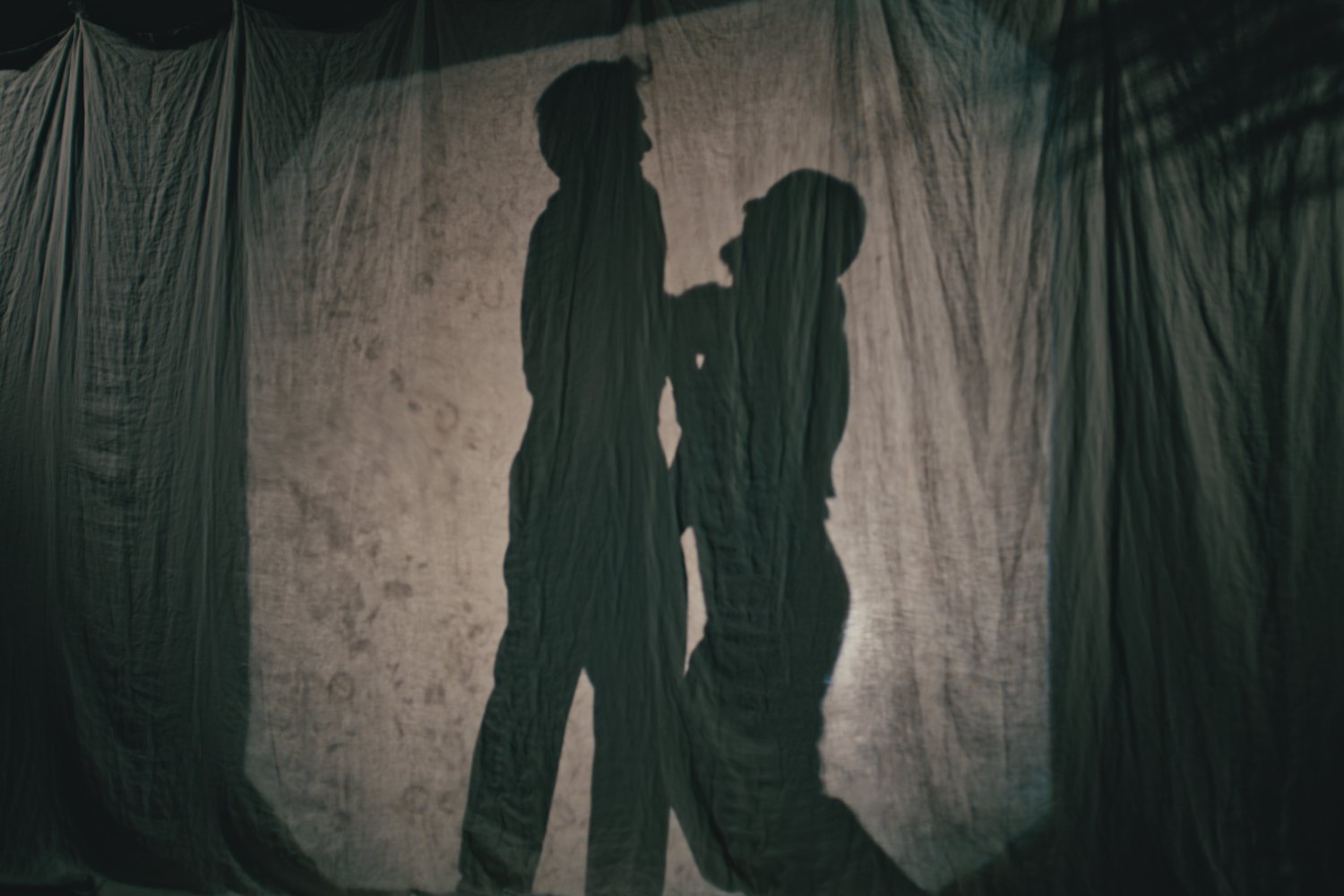
Dunne and her three fellow performers, Leonie Hill, Harry Lukakis and Noah Young, prove skilled shape and time shifters, revealing the past as well as the present, and playing different ages of their various characters. We are expectant at every new plot revelation and character, as Rena’s despair gives way to effective defiance, that hope is on the horizon. A moving touch is the gift of her late mother’s necklace, from which hangs a charm that depicts the Minotaur.
How Rena leaves Crete for other shores to make a new life for herself – a journey on which other members of her family do not fare so well – are all moments in which I was totally involved. I trust readers who make the play’s journey will be too.
By Judi Herman
Photos by Inigo Woodham Smith
Long After the Labyrinth runs until Sunday 8 November. 7.30pm. £24, £22 concs. Upstairs at the Gatehouse, N6 4BD. upstairsatthegatehouse.com
The show then tours to St Andrews, Scotland (12 Nov); Manchester (28 Nov); Oxford (19 Jan 2027); and London (26 Jan).