
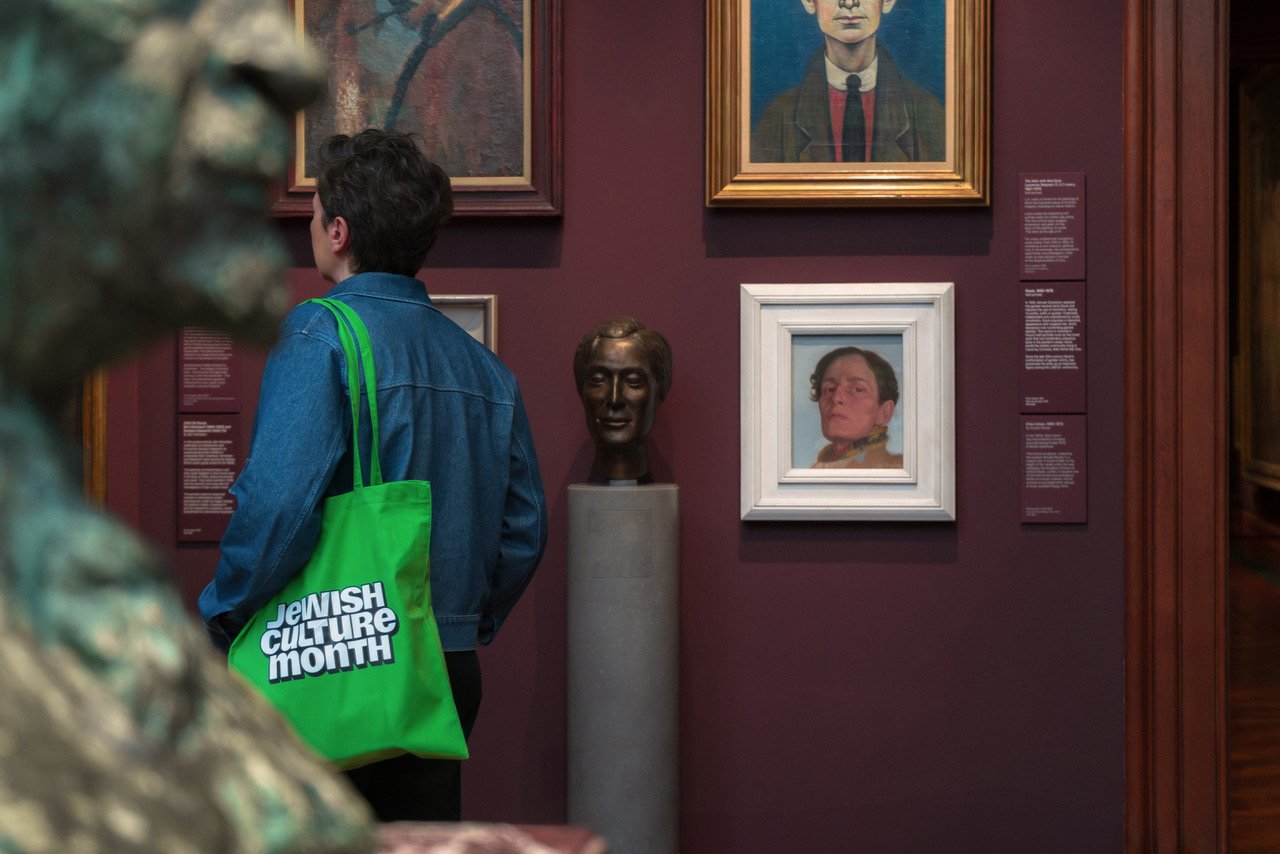
As the first month-long celebration of Jewish British life kicks off this week, we ask whether such initiatives are an effective way to tackle antisemitism and foster understanding
These are challenging times for Jewish communities, so there is an obvious appeal in the idea of the Jewish Culture Month, which has been organised by the Board of Deputies of British Jews and launches in May.
The event's website says that over 100 initiatives offer "the best of Jewish culture in the UK from our poets to our picklers, our star performers to our deepest thinkers", in a programme "as diverse as Britain's Jewish community". Many sound stimulating. I like the sound of an interactive evening of ghost stories, a Klezmer by the " Sea concert in Plymouth, a heritage trail in the Museum The idea of of Liverpool and a guided addressing walk exploring refugee history in Cardiff. Many 'diversity' only events could well attract goes so far non-Jewish audiences.
All this, and particularly " the broad geographical coverage, is to be welcomed. Yet there are several elements that cause me concern. Deeply worried by "record levels of antisemitism", the Board wants the event, which is part of a wider plan to tackle antisemitism entitled A Brighter Future for the UK Jewish Community, to "accentuate the positive experiences of Jews in this country and the positive contribution British Jews have made to our nation's society, economy and culture". Alongside Holocaust Memorial Day and Holocaust education, they hope to turn a "more upbeat lens on Jewish life in this country" and give non-Jews a chance to "experience all the light, creativity and laughter of Jewish life in the through "a strategic UK"-rebrand, which proclaims: 'less oy', and 'more joy".
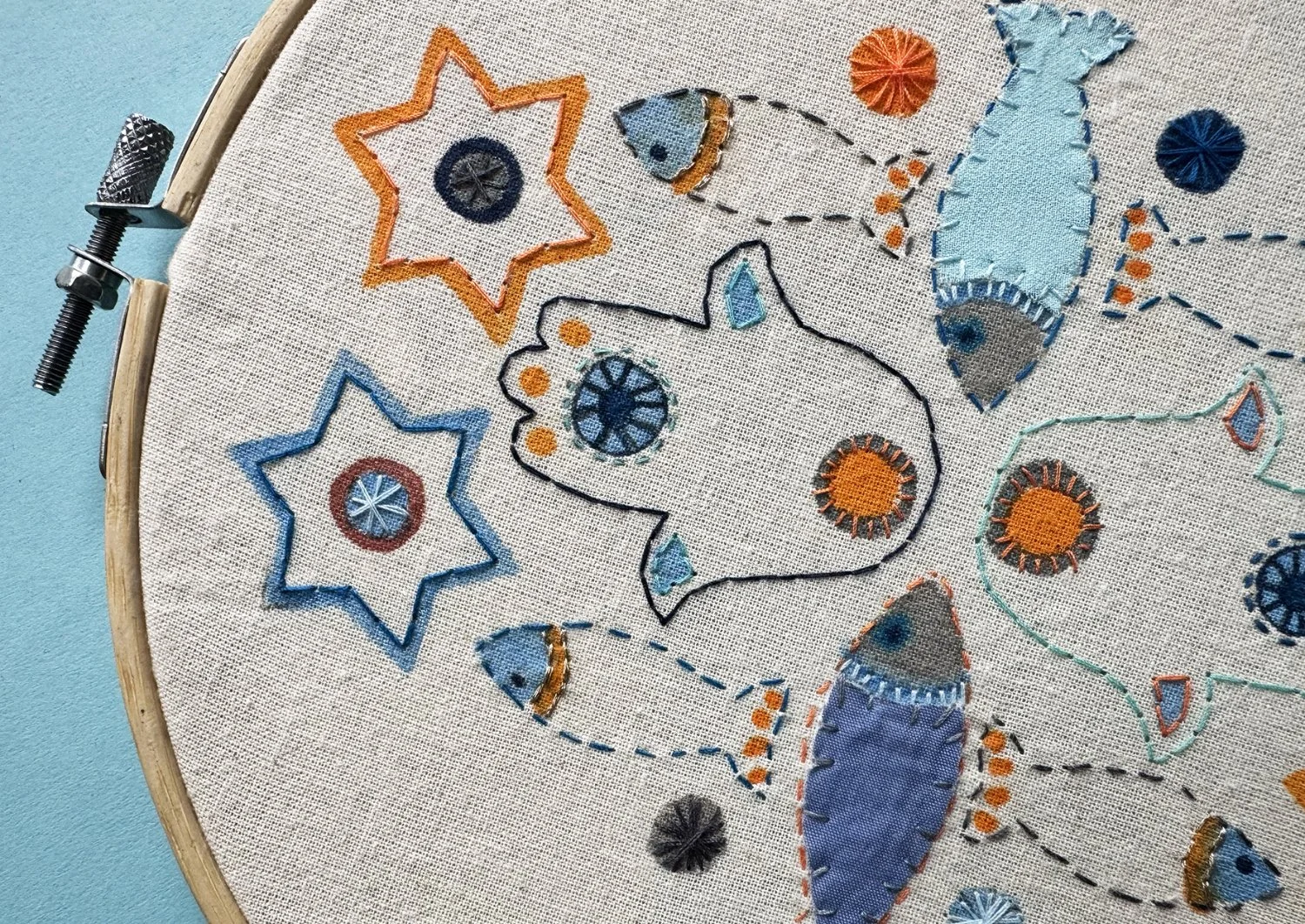
Embroidery at Manchester's Whitworth Museum, which will be holding a textiles workshop
This is very explicitly a marketing operation, with many of the limitations that implies. I am unconvinced that antisemitism is based mainly on a lack of information which can be tackled by informing people about the Jewish contribution to this country. It also feels unnecessarily apologetic. I can see why someone might want to write a book about, say, the Burmese contributions to British life, but there can't be many people with an interest in showbusiness, science or the arts who are unaware of the part that Jews play. Any talk of "positive contributions" surely risks giving hostages to fortune (don't mention Peter Mandelson)?
Yes, there is a good deal of diversity in the planned events. But it sounds as if that diversity only goes so far. We seem unlikely to hear much about the deep divisions within the community, not least in relation to Israel/Palestine, or the crucial, though often tense dialogue with other minority communities on both shared and contentious issues. Such topics are regularly addressed at Jewish Book Week and, indeed, in this magazine.
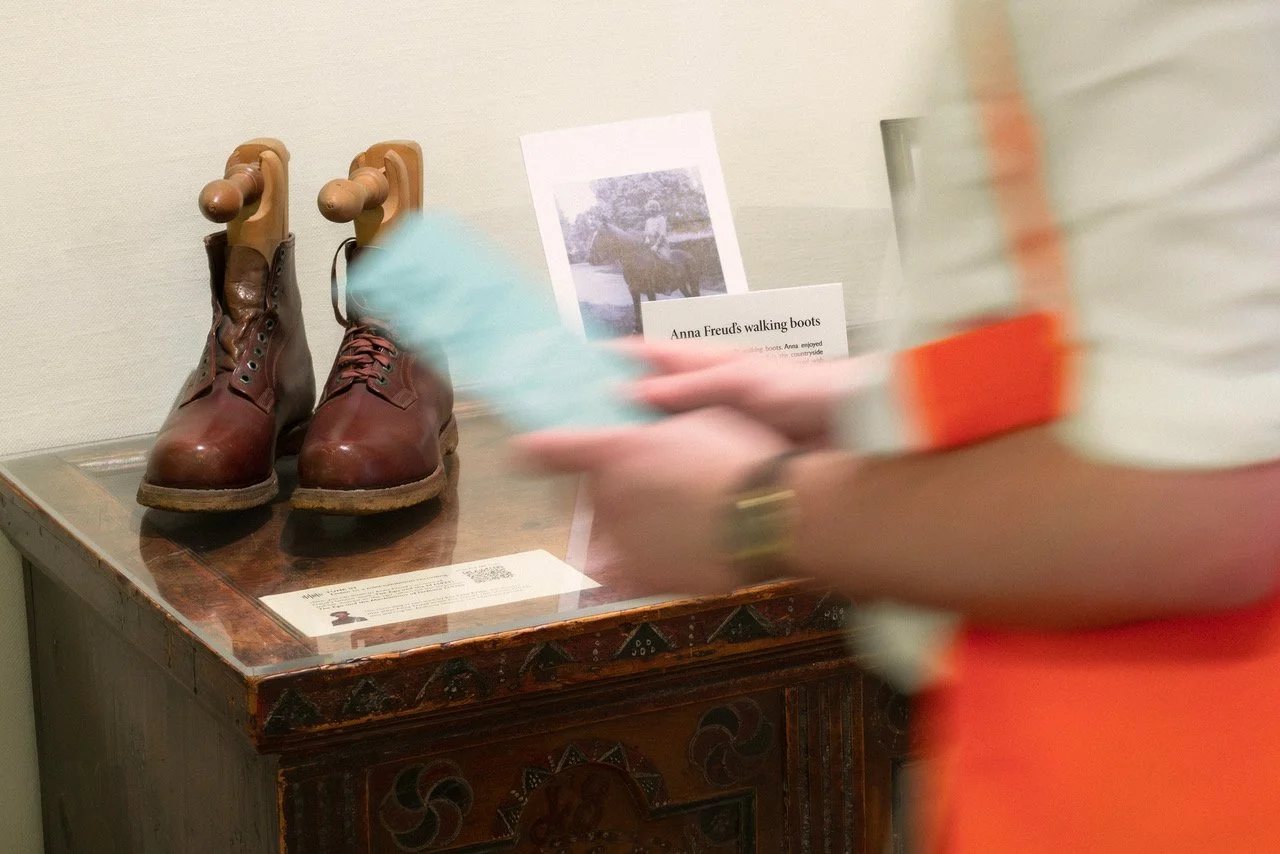
Freud Museum
I applaud plans to "give a platform to key Jewish cultural institutions" and to "support local Jewish centres, including synagogues, schools, and charities, to open their doors to visits from local schools and other groups". I am less convinced by the idea of "encouraging wider British cultural institutions to celebrate British Jews". I can't see this as the role of the Tate Gallery or the Royal Opera House, or even what it would mean for them to do so.
But my main concern is that there is a contradiction in the Board's agenda. Many of the greatest achievements of British Jews in the cultural sphere pay little attention to "the positive experiences of Jews in this country" or "the positive contribution" of British Jews. Some, particularly younger writers and artists, explicitly address antisemitism and other dark aspects of British history.
Funders have their own priorities, but I would dearly like to see them supporting younger Jewish creatives who are pushing boundaries at least as much as those who are more 'on message'. It's also worth remembering that many artists resist being conscripted into 'agendas'. Imagine the response if someone had told Harold Pinter or Lucian Freud that their work had too much "oy" and not enough "joy"?
By Matthew Reisz
Photos by Tim Cole
Jewish Culture Month runs Saturday 16 May to Tuesday 16 June. jewishculturemonth.org.uk
This article appears in the Spring 2026 issue of JR.